



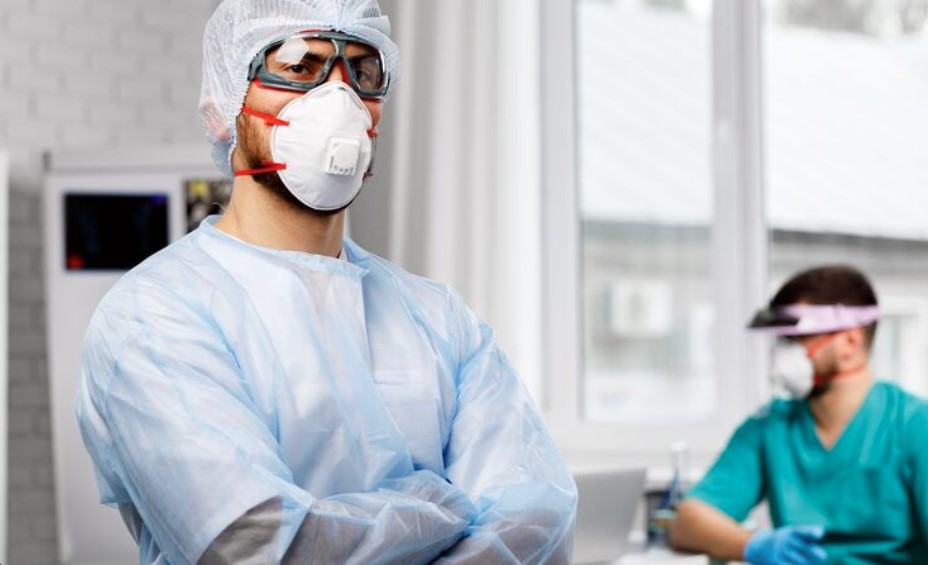
Choosing the right eye protection is an important part of maintaining safety and contamination control in a cleanroom. While safety glasses and safety goggles both protect the eyes, they are designed differently and may be suitable for different applications.
For cleanroom work, the right choice depends on the type of hazards present, the level of protection required, and how the eye protection needs to work with other personal protective equipment (PPE).
What Is the Difference Between Safety Glasses and Safety Goggles?
The main difference is the level of coverage they provide.
Safety glasses typically protect the eyes from impacts and particles entering from the front. They are lightweight and can be comfortable for extended use.
Safety goggles generally provide more coverage around the eyes. Depending on their design, they can offer better protection against splashes, particles, aerosols, and other hazards that may reach the eyes from different directions.
This difference makes goggles particularly useful for certain cleanroom applications where greater eye coverage is needed.
Are Safety Glasses Suitable for Cleanrooms?
Safety glasses can be appropriate in cleanroom environments when the primary requirement is basic impact or particle protection and the facility’s procedures permit their use.
However, conventional safety glasses may leave gaps around the sides of the eyes. They may therefore provide less protection than goggles in applications involving liquid splashes, aerosols, or other hazards.
Cleanroom requirements should always be considered before selecting eyewear.
When Are Safety Goggles Better?
Safety goggles may be a better option when workers need greater coverage or when the work involves potential exposure to liquids, chemicals, particles, or aerosols.
Goggles can also be useful when the goal is to create a closer barrier around the eyes. However, the design of the goggles matters. Ventilation, fit, lens material, and compatibility with other PPE can all affect their suitability.
Key Factors to Consider When Choosing Cleanroom Eye Protection
1. Type of Hazard
Start by identifying what workers could be exposed to.
For example, pharmaceutical manufacturing, laboratory work, and chemical processing may have different eye-protection requirements. The selected eyewear should provide appropriate protection for the specific hazards involved.
2. Cleanroom Requirements
Cleanrooms have different classifications and operating procedures. Eye protection should be compatible with the facility’s contamination-control practices.
The eyewear should not introduce unnecessary contamination or interfere with established gowning and PPE procedures.
3. Fit and Comfort
Workers may wear eye protection for several hours, making fit and comfort important considerations.
A good fit should provide adequate coverage without creating excessive pressure around the nose, temples, or face. Eye protection should also work comfortably with masks, respirators, hoods, and other cleanroom PPE.
4. Fogging and Visibility
Fogging can become a problem when goggles are worn with masks or other PPE. Reduced visibility can affect productivity and may encourage workers to adjust or remove their eyewear.
Anti-fog lenses or coatings can help maintain clear vision. For additional guidance, workers can review safety glasses and goggles for cleanroom eye protection and the factors that affect their performance.
5. Lens Material and Optical Clarity
Lens material should be selected according to the required level of impact resistance, chemical resistance, and optical performance.
Polycarbonate is commonly used in protective eyewear because it is lightweight and provides good impact resistance. Clear optical performance is particularly important for workers performing detailed or precision tasks.
Safety Glasses vs. Safety Goggles: Quick Comparison
| Feature | Safety Glasses | Safety Goggles |
| Eye coverage | Front and side protection | Greater coverage around the eyes |
| Weight | Usually lightweight | May be slightly heavier |
| Splash protection | Limited depending on design | Generally better |
| Ventilation | Open design | Depends on goggle design |
| Fogging risk | Generally lower | Can be higher without anti-fog features |
| Compatibility with PPE | Usually easy | Depends on design and fit |
| Best suited for | Lower-risk applications | Applications requiring greater coverage |
So, Which Is Best for Cleanroom Work?
There is no single answer for every cleanroom.
Safety glasses may be suitable when basic eye protection is sufficient and the facility permits their use. Safety goggles are generally preferable when greater eye coverage or additional protection against splashes, particles, or aerosols is required.
The final decision should be based on the cleanroom classification, workplace hazards, facility procedures, applicable standards, and compatibility with other PPE.
Organizations evaluating cleanroom eye-protection options can also explore Klaritex for specialized protective eyewear designed for controlled environments.
Final Thoughts
Choosing between safety glasses and safety goggles should be based on risk rather than convenience alone. Workers and facility managers should consider the hazards, required coverage, cleanroom procedures, comfort, visibility, and compatibility with other PPE.
When these factors are evaluated together, organizations can select eye protection that supports both worker safety and the contamination-control requirements of the cleanroom.