


Step-by-Step Guide to a Perfect Solar System Setup for Your Home in 2025
As more homeowners turn to renewable energy, solar system setup has become one of the most rewarding investments for sustainable living. In 2025, solar technology is more efficient, affordable, and accessible than ever before. Whether you’re looking to lower your electricity bills or reduce your carbon footprint, understanding how to set up your solar system properly can make all the difference in performance and savings.
Let’s walk through a simple, step-by-step guide to help you plan the perfect solar setup for your home.
Step 1: Evaluate Your Energy Needs
Before you start choosing panels or inverters, you need to assess how much energy your home uses. Review your monthly electricity bills to find your average power consumption in kilowatt-hours (kWh).
Then, think about your future energy needs, are you planning to add an EV charger, more appliances, or expand your home? Knowing your energy goals helps determine the right solar system setup size to meet your long-term needs.
Pro tip: Use an online solar calculator or consult a solar expert to estimate your daily power requirements and system capacity.
Step 2: Inspect Your Roof and Sunlight Access
Your roof condition and exposure to sunlight are crucial for optimal solar performance. South-facing roofs usually capture the most sunlight in the US. However, if you have trees or neighboring buildings casting shadows, you might lose efficiency.
Check your roof’s:
- Orientation and tilt angle
- Shading and obstructions
- Structural strength to handle solar panel weight
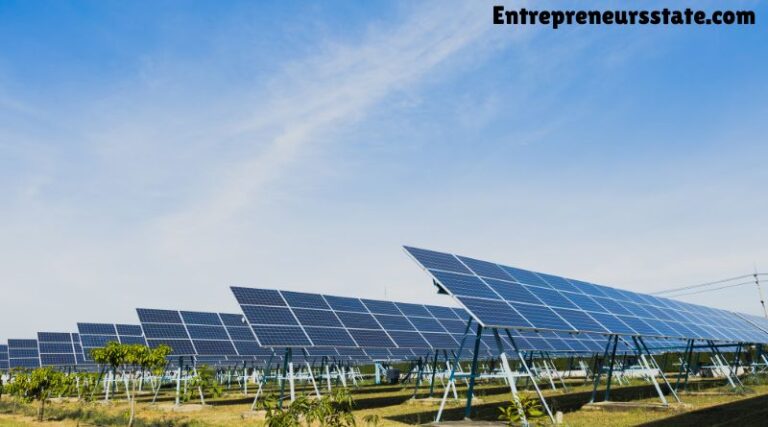
If your roof isn’t ideal, you can also explore ground-mounted solar system setups, which work well for larger properties.
Step 3: Choose the Right Solar Panels
Not all solar panels are created equal. You’ll need to decide between monocrystalline, polycrystalline, or thin-film panels, each offering different levels of efficiency and price.
- Monocrystalline panels: Most efficient and space-saving, perfect for smaller roofs.
- Polycrystalline panels: Cost-effective and reliable for medium-sized systems.
- Thin-film panels: Lightweight and flexible, suitable for specialized installations.
For homeowners seeking high efficiency and long-term reliability, premium panels from brands like Canadian Solar or Fronius (available on Direct Solar Power) are excellent choices.
Step 4: Select the Right Inverter
The inverter is the heart of your solar system setup, it converts the direct current (DC) your panels produce into usable alternating current (AC) for your home.
You can choose from three main types:
- String inverters: Affordable and suitable for consistent sunlight areas.
- Microinverters: Installed on each panel, maximizing output even when one panel is shaded.
- Hybrid inverters: Allow integration with battery storage systems for future upgrades.
For long-term flexibility and efficiency, grid-tie inverters are the most popular for US homeowners in 2025.
Step 5: Consider Battery Storage (Optional but Smart)
Adding a solar battery to your setup lets you store extra power generated during the day and use it at night or during grid outages. Though optional, it increases energy independence and can significantly cut down your utility bills.
Lithium-ion batteries are currently the most efficient and widely used option for residential setups.
Step 6: Get Professional Installation
While DIY kits exist, professional installation ensures your system is safe, efficient, and compliant with local regulations. Certified installers will handle wiring, permits, and inspection approvals, ensuring your investment performs at its best.
Partnering with an experienced supplier like Direct Solar Power ensures you get high-quality panels, inverters, and mounting systems, all in one place.
Step 7: Monitor and Maintain Your System
After installation, monitoring your solar system’s performance helps you stay on top of efficiency. Many modern systems include smart monitoring apps that show energy generation in real-time.
Also, clean your panels periodically and schedule maintenance checks to keep your system running at peak efficiency for years to come.
Power Your Future with Smart Solar Setup
A well-planned solar system setup doesn’t just save you money, it gives you control over your home’s energy future. With the right panels, inverter, and installation, your home can run efficiently while supporting a cleaner planet.
Ready to take the next step?
Explore premium solar products and expert support at Direct Solar Power (USA), your trusted partner in clean energy solutions.